
Inclusive Futures
Advancing Inclusive Education, Child Development, and School Transition Pathways for Children with Disabilities and Grey Zone Learners in North Lebanon. Devised and implemented by Rahma for Special Needs (ADJI).
A comprehensive and integrated programme for children
Building on the successful first phase of Inclusive Futures
This project follows and tracks the same cohort of children as they progress through successive educational stages while expanding access for newly identified Grey Zone learners, integrating inclusive education, rehabilitation, psychosocial support and family engagement to strengthen school readiness and successful transition into formal education.
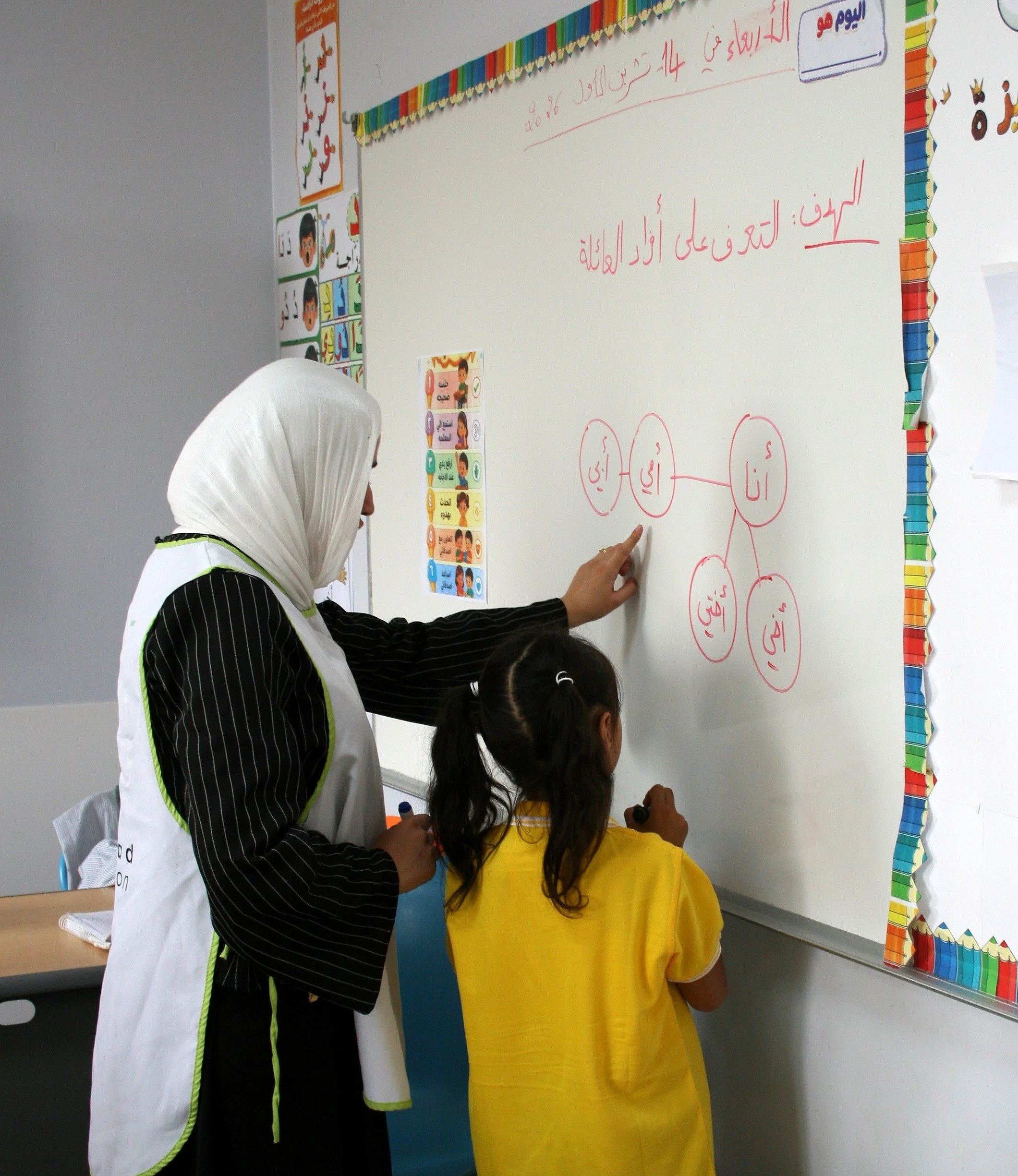
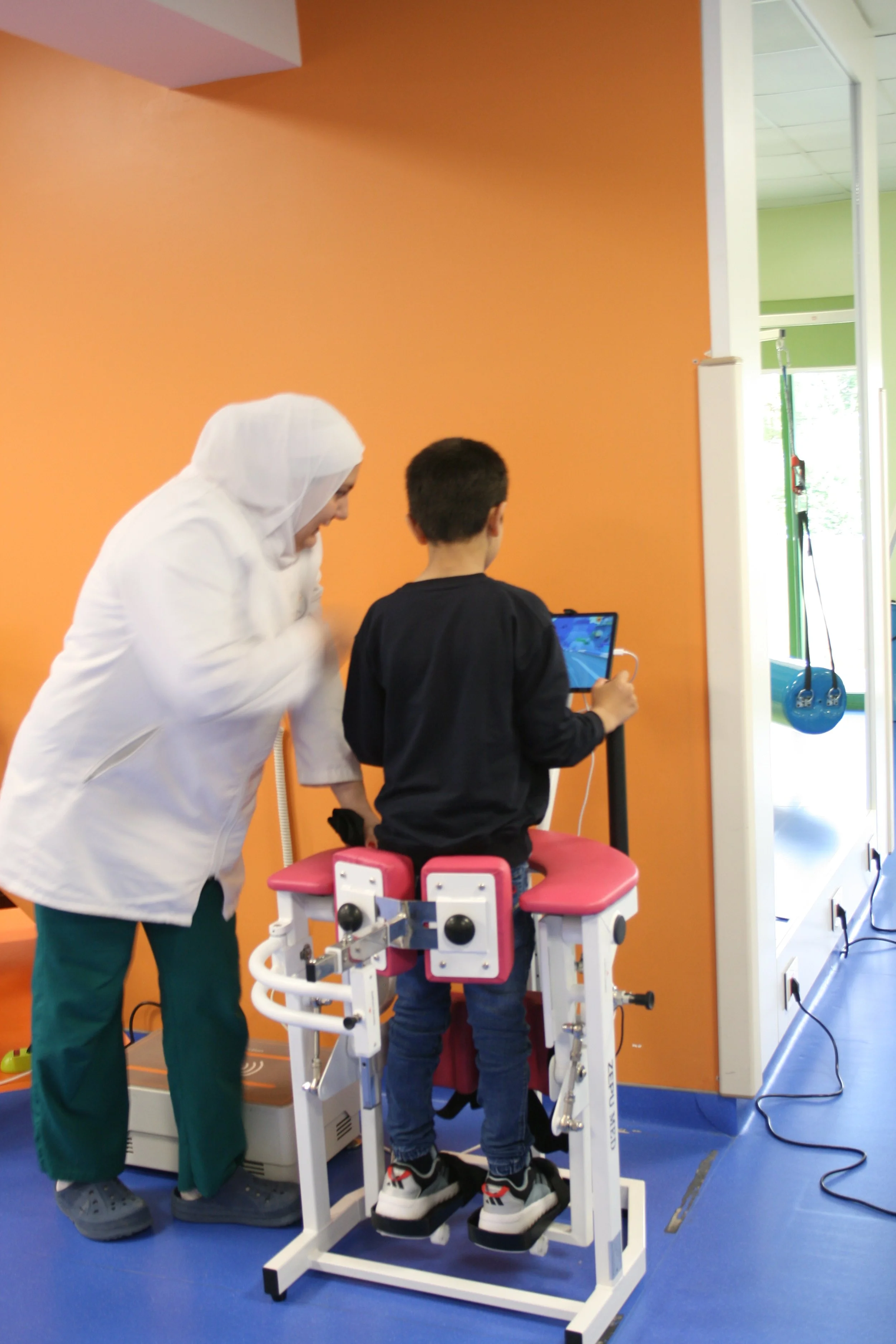
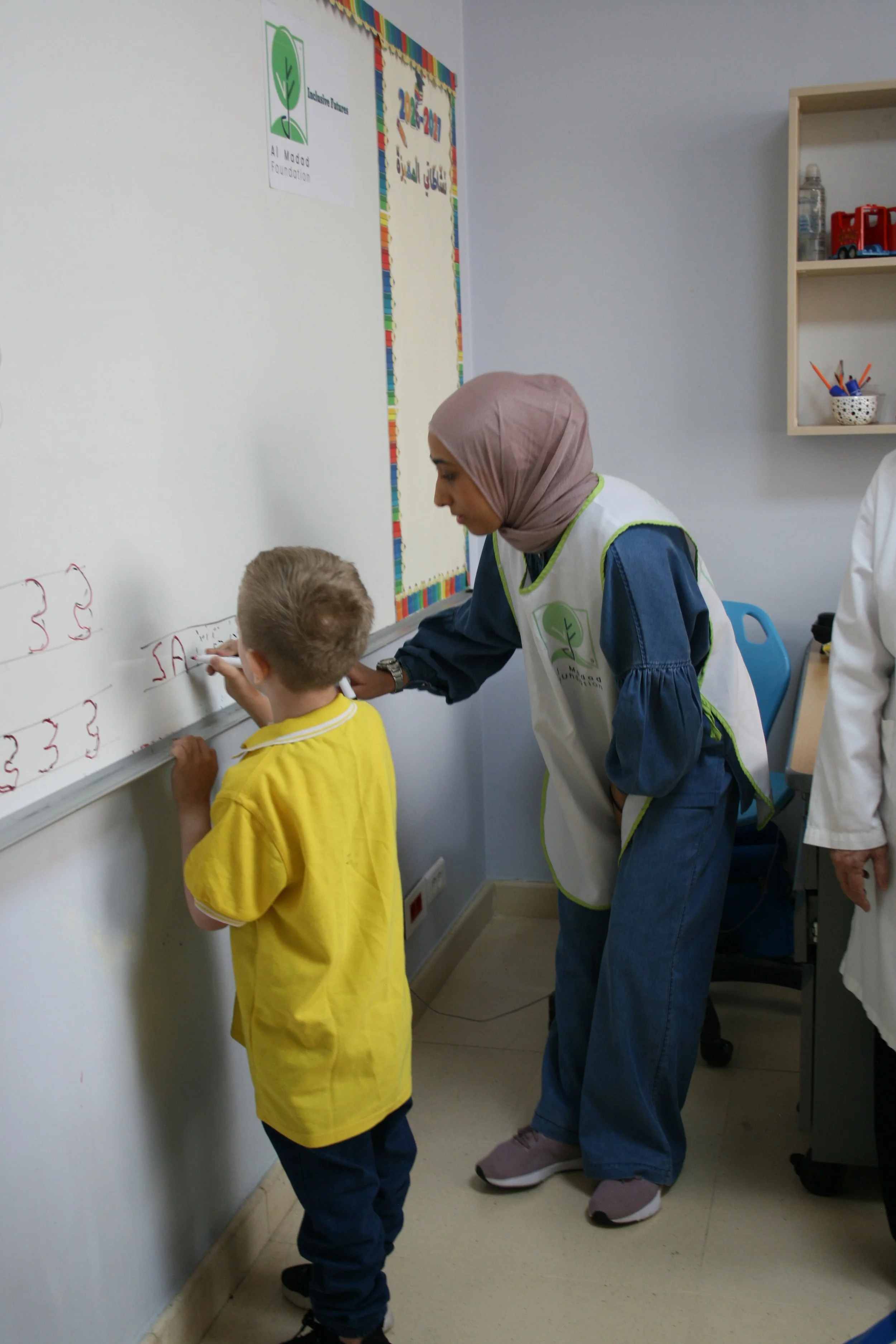
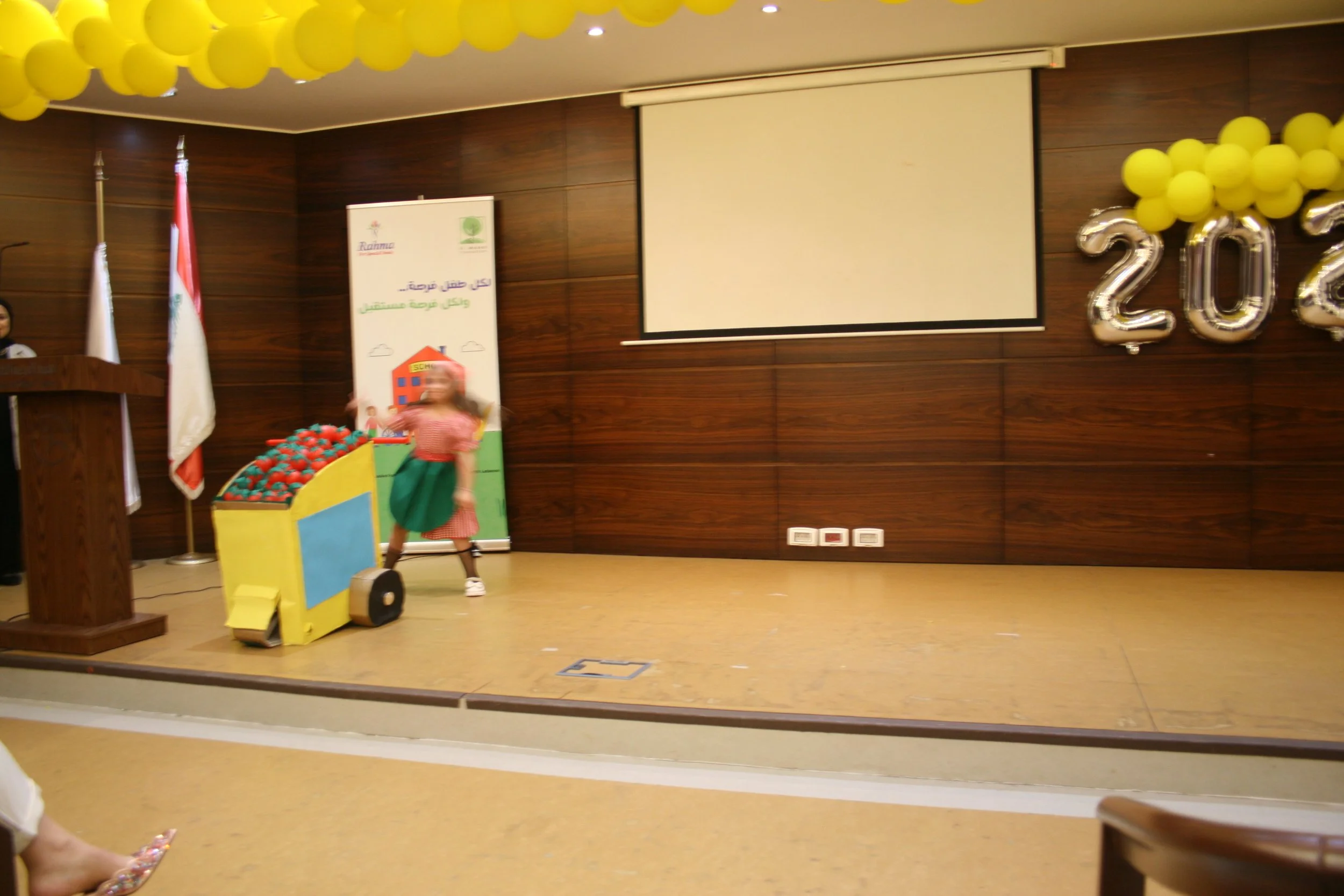
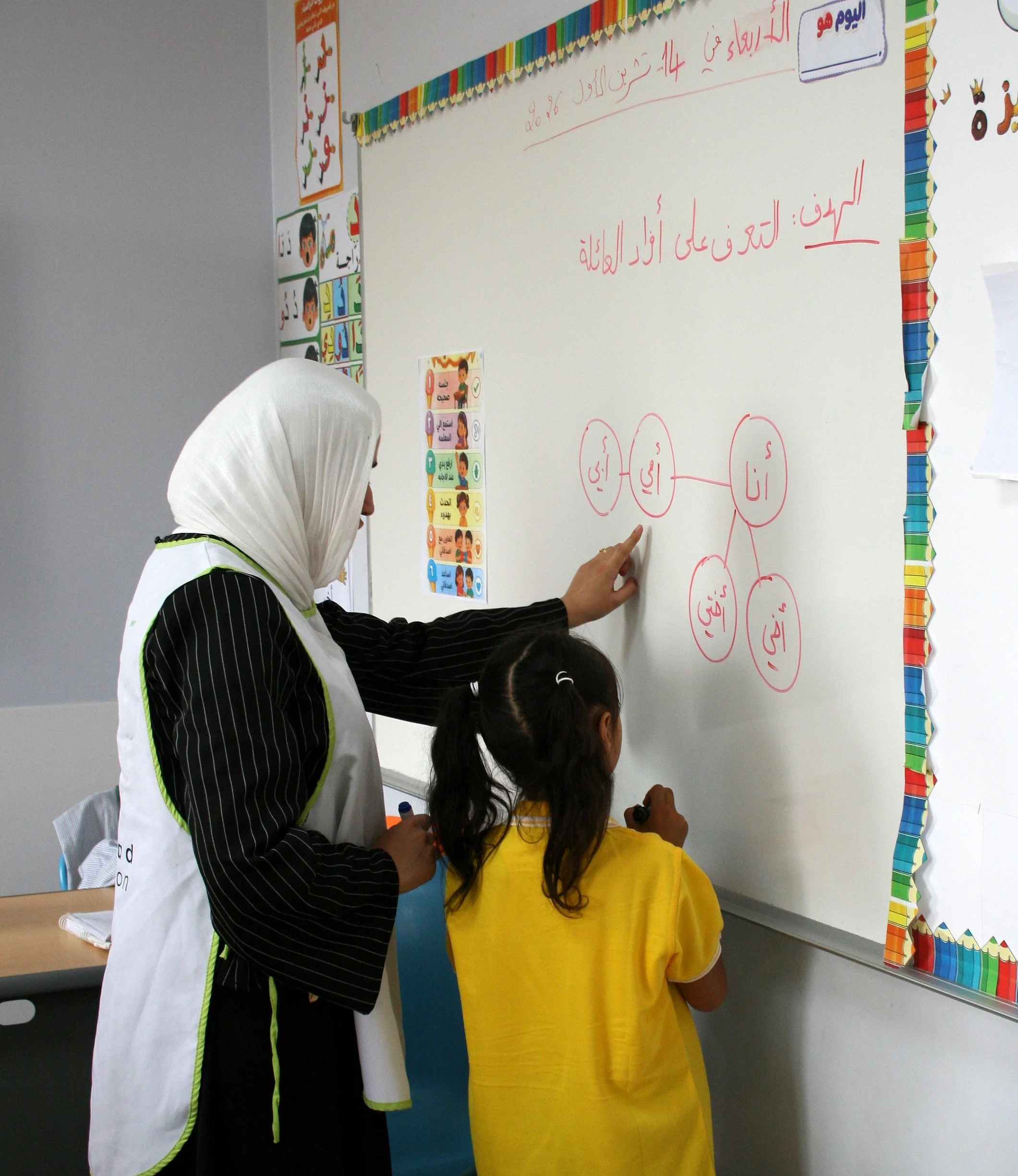
This project is for Children aged 3–9 years, including Children with Disabilities (CwDs) and Grey Zone learners who face barriers to accessing quality education, alongside their caregivers and families.
This project will provide a comprehensive and integrated programme that combines inclusive education, multidisciplinary rehabilitation, psychosocial support, family empowerment, and community engagement to ensure that children with disabilities (CwDs) and Grey Zone learners continue progressing through their educational journey while developing the communication, social, emotional, and functional skills required for lifelong learning and successful participation in formal education.
Unlike traditional short-term educational interventions, Inclusive Futures follows the same cohort of children as they advance through successive educational stages. During the 2026–2027 academic year, returning students will progress to Grade 1, KG3, KG2, and KG1, while approximately 10 Grey Zone children who successfully transition into formal public or private schools will create spaces for newly identified children identified through community outreach and referral mechanisms. This progression model ensures continuity of individualized support while continuously expanding access to vulnerable children who remain excluded from education.
The project will deliver five hours of inclusive classroom learning each day across six classrooms, supported by adapted curricula, low student-to-teacher ratios, and Individualized Education Plans (IEPs). Preschool Teachers, Shadow Teachers, Classroom Assistants, the Education Coordinator, and the Education Supervisor will work collaboratively to provide differentiated instruction that responds to each child's educational and developmental needs while continuously monitoring academic progression, attendance, communication skills, social interaction, and functional independence.
Recognizing that educational success depends on a child's overall wellbeing, the programme integrates occupational therapy, speech and language therapy, physiotherapy, psychological support, and psychosocial interventions into daily learning. Therapists will work alongside teachers and caregivers to ensure that rehabilitation objectives are embedded within classroom activities and home routines, creating a holistic and child-centred learning environment that promotes independence, confidence, emotional regulation, and school readiness.
Building on lessons learned during the first year—including increased psychosocial needs, educational disruption, and the importance of family engagement—the project will strengthen its caregiver component through monthly parent meetings, counselling sessions, Individualized Education Plan reviews, and continuous communication using a digital caregiver engagement platform. Families will receive practical guidance to reinforce learning and rehabilitation at home, strengthen positive parenting practices, and actively participate in their children's educational progression.
To increase access for marginalized children, ADJI will continue implementing community awareness campaigns and stakeholder engagement activities in collaboration with MEHE, public and private schools, municipalities, healthcare providers, rehabilitation centres, and community organizations. These activities will identify Grey Zone children who remain outside the education system, reduce stigma associated with developmental and learning difficulties, strengthen referral pathways, and facilitate appropriate educational placement.
The project will maintain a strong Monitoring, Evaluation, Accountability and Learning (MEAL) system that tracks attendance, educational progression, rehabilitation outcomes, caregiver participation, and transition pathways through multidisciplinary assessments and Individualized Education Plans. Daily attendance monitoring, monthly progress reviews, and regular case conferences will enable early identification of challenges and timely interventions to support every child's success.
Finally, the project will continue advancing Rahma's long-term vision of becoming a formally recognized inclusive preschool and primary school by strengthening institutional systems, maintaining close coordination with the Ministry of Education and Higher Education (MEHE), and building sustainable partnerships that promote inclusive education and successful transition pathways for children with disabilities and Grey Zone learners throughout North Lebanon.